

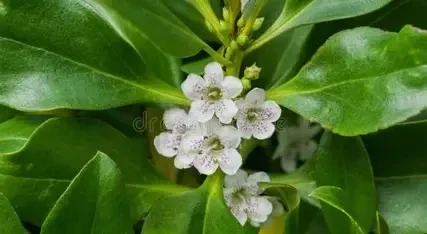

Ngaio and akeake are a very good choice of native tree to plant as they are mostly resistant to deer grazing.
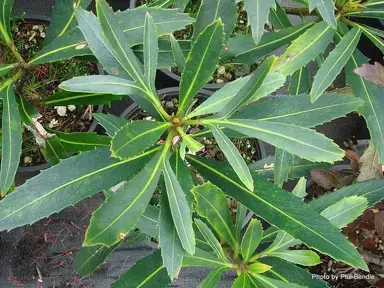


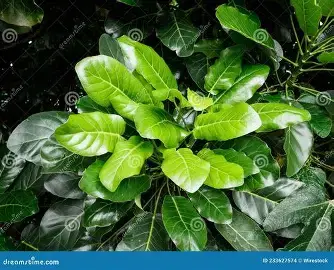
These 4 should be avoided; pseudopanax, kapuka, pittosporum, puka!
What Native Trees Do Best with Deer Around?
Just like humans, deer have favourites when it comes to dining selections, and your native garden and shelter-belt trees can be a desirable choice on the menu each night. However, the gardener or lifestyle block owner is not entirely powerless here. There are several strategies to adopt - short of extensive and expensive protective fencing.
One approach is to reduce the prevalence of trees that seem to get hammered repeatedly. So don't plant these! Over and over again I see the same gardens or blocks of trees being planted with these same trees, in the same place again! But if it's getting constantly attacked then why repeat? I mean, if I go to a buffet someplace and seafood's on offer then that's all I'll eat - why would I turn down scallops, oysters and prawns in favour of a boring salad? Same for deer, they prefer some trees over others. So here are some native plants to avoid, and some others to plant in their place!
If your site is having goats coming in then there is no solution really, except fencing.
AVOID PLANTING THESE TREES
Here are a few that I have personally observed over the years (or had feedback) that seem to not do so well in the presence of deer and rabbits!
Pseudopanax - 5 & 7 fingers - these will be reliably sampled, sometimes eaten down to the base. Often the tree is killed. The top and sides will be chewed. Try Fatbang to reduce the attraction. Better still, install a mesh tube or fence if you can.
Cabbage trees - Once deer or hares munch the central growth stem then it's over for the plant. It can then sit dormant for years still alive, and if it does grow then it will likely be distorted. Pull it out and replace with a less juicy tree from the list below.
Pukas and Kapuka - forget planting these. Use fencing only and make sure deer cannot ram their faces into the mesh or fence because they will do whatever it takes to chew leaves! Nothing will be left except a 2 inch stem in the ground. Puka seems to be like ice-cream, irresistible! Also avoid spraying our repellent on pukas, the large leaf surface can be too potent for the plant when in direct sun.
Toetoe + Mini Toetoe - munched by both deer and also rabbits when plants are smaller. The sharp harsh leaves make no difference, your plant will be eaten down to the ground but can often come back and thrive if you can keep pests off!
Kakabeak and Lacebark - deer love these and will graze them hard if no other feed is around. Often the tree is destroyed with heavy browsing.
Kowhai - rabbits will destroy these when small, then deer finish them off when larger. Also the very small leaves are a bit sensitive to repellents so go easy on the frequency of application. Test first.
Hebes - rabbits and deer love these and will visit hell on these, repeatedly. Being a low bush when young, both rabbits and deer have easy access.
Citrus trees - deer will strip these down to zero, often killing the tree or distorting growth. Because of their high value and cost fence these off, do not take a chance!
Pittosporums - deer will lightly graze these. If they nip the top growth points then you have a problem. These plants tolerate our repellents well.
Eucalyptus - not a native, but forget planting these. There will be nothing left after 6 months. Fence off access. If not then try Fatbang to deter them, expect some losses.
TREES TO PLANT
The following are some varieties that I have observed to be resistant to deer attack. This is no guarantee since your area will have different factors affecting local deer preferences.
Ngaio - reportedly poisonous to stock, and maybe so for deer. Little or no grazing observed if other desirable trees are available. A fast growing tree, perfect barrier hedging. Very little grazing by deer. They also grow bush-like with multiple leaders. Grow to 8m so be aware of space.
Akeake - seem to be a least favourite. Try these in place of others of high risk. A good reliable grower, deer avoid them, but rabbits still have a go when the plant is small. Takes Fatbang well.
Rewarewa - robust, attractive and not browsed by deer very often. Takes Fatbang well.
Corokia - a bit slow but only minimal browsing over the years. They have several bush-like growth points which minimises destroying the plant, as opposed to a single leader tree like a lacebark.
Wineberry - often avoided by deer especially larger trees. Deer seem to go for other varieties first. Yes they do get a chew but not top of the list like pukas.
Lancewood - low down the list. I have grown many without a single tree targeted. However, if the top growth point is chewed then the tree is stuffed.
Kanuka and Manuka - seem to be avoided by deer, but perhaps this is because there is alot of it around and they are sick of it, or other juicier trees are on offer?
Flax - larger swamp flax seems to be sometimes chewed by stock and deer. But for rabbits and deer I have not observed any damage to mini flax for some reason.
Feijoa - I know this is not a native tree but these seem exempt from grazing deer. They are a nice ornamental tree as well as a fruit producer. I would plant more of these, and less of the riskier trees.
BEST PROTECTION
Fencing is the ONLY 100% way to protect trees. But there is fencing, and there is 'fencing'. Deer are tough heavy pests and can push their faces and bodies across into the tree zone if the fence is inadequate or too close. See our upcoming blog about best fencing!